






























News details Media center


1 Oct’ 2026
Dr. Ahmad Al Buenain confirms Doha Fully Ready to Host the 2030 Asian Games
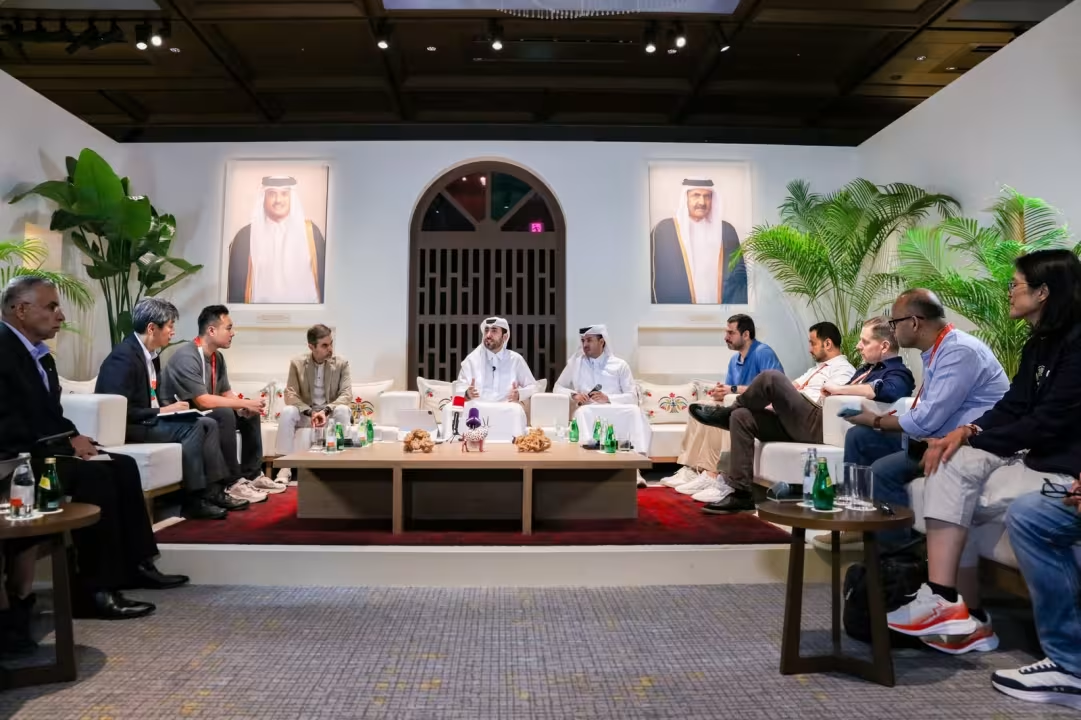
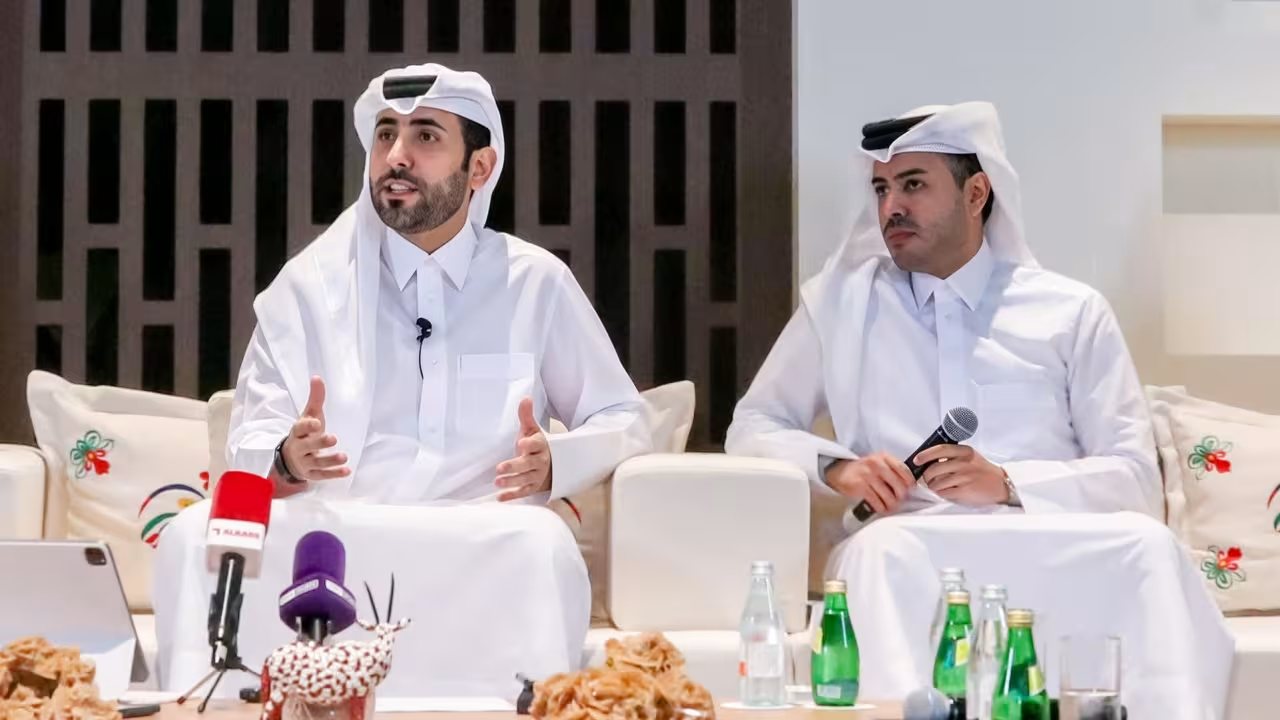
Nagoya – Japan - Dr. Ahmad Abdulla Al Buenain, CEO of the Doha 2030 Asian Games Organising Committee, affirmed Doha’s readiness to host the 21st Asian Games, highlighting Qatar’s advanced sports infrastructure and existing venues that have already hosted major international events, while stressing that sustainability and the optimal use of these facilities are central to preparations for the Games.
Speaking to regional and international media on the sidelines of the Aichi-Nagoya 2026 Asian Games, Al Buenain said Doha 2030 would mark a new chapter in Qatar’s sporting journey, which has developed significantly since Doha hosted the Asian Games for the first time in 2006.
“Our story started almost 20 years ago when we hosted the Asian Games for the first time in Doha. Since then, Qatar has hosted many major sporting events and invested in advanced sports infrastructure. Today, we have the venues in place, and our focus is on making the best possible use of them and ensuring they meet the standards and requirements of different sports,” he said.
Al Buenain stressed that Qatar already has the main sports venues required to host the Games, with preparations over the coming years focused on optimising and upgrading existing facilities where necessary and enhancing technology to meet the requirements of 2030.
“All the major venues we need are already there, and we are not talking about major new construction. We have the venues, training sites and infrastructure. It is now a matter of utilising them in the best possible way, carrying out any necessary upgrades and enhancing technology to meet the needs of the sports and athletes.”
He noted that many of Qatar’s sports venues have already been tested through hosting world championships and major international events, providing Doha with a strong operational foundation for 2030.
Al Buenain also highlighted the compact nature of Qatar’s sports infrastructure, noting that the Organising Committee is working with the Olympic Council of Asia (OCA) and sports federations to review the venues and ensure they meet the technical and operational requirements of each sport.
Al Buenain said sustainability and legacy are key elements of the Doha 2030 vision, with the focus not only on having world-class venues but also on maximising their long-term use and adapting them to host different sports and events.
He cited Al Janoub Stadium as a practical example, with the football stadium being transformed into a basketball arena for the FIBA Basketball World Cup Qatar 2027.
“This is a significant example for us because it shows how we can optimise the use of our existing infrastructure and transform venues into multipurpose facilities capable of hosting different kinds of events. This is the sustainability and legacy approach we want to build on.”
He added that Qatar’s existing sports infrastructure and the legacy of previous major events would allow Doha 2030 to focus on enhancing the overall Games experience rather than undertaking major new construction.
Al Buenain stressed that athletes are at the heart of planning for Doha 2030, noting that their needs and expectations have evolved significantly since the 2006 Asian Games, alongside developments in technology and event delivery.
“Since 2006, a lot of things have changed. Athletes’ expectations have changed and technology has changed. We want to listen to them and understand their needs and what they are looking for in 2030.”
He added that technology would be used where it provides genuine added value for athletes, coaches, spectators and everyone involved in the Games.
Asked about the expected number of athletes at Doha 2030, Al Buenain said there is currently no fixed limit, with discussions continuing with the OCA and the relevant sports federations.
He explained that meetings are ongoing to finalise the sports programme and participation numbers, stressing that such decisions would be made jointly with the OCA and the federations rather than by the Organising Committee alone.
He added that sports federations, as the technical experts in their respective disciplines, would play an important role in identifying the requirements of each sport and its athletes.
Al Buenain highlighted the importance of Doha 2030’s participation in the Observer Programme at Aichi-Nagoya 2026, with around 10 members of the Doha 2030 team working alongside their Japanese counterparts since the start of the Games and gaining first-hand insight into different operational areas.
“Our team has been here since day one, working hand in hand with our colleagues in Japan, listening to them and learning from their experience. We have also met a number of federations to understand their requirements and expectations.”
He said the objective was not to replicate another host’s experience, but to learn from best practices and challenges encountered at previous editions to further develop Doha 2030’s plans.
Al Buenain said the Athletes’ Village would be an important part of the Asian Games experience and would go beyond simply providing accommodation.
“The Athletes’ Village is not just a place to stay. It is where athletes spend their time away from competition, meet each other, experience different cultures and enjoy the Asian Games.”
He said the Organising Committee is working with the OCA on plans for the Village, drawing on observations gathered by the Doha 2030 team in Nagoya as well as lessons from previous editions.
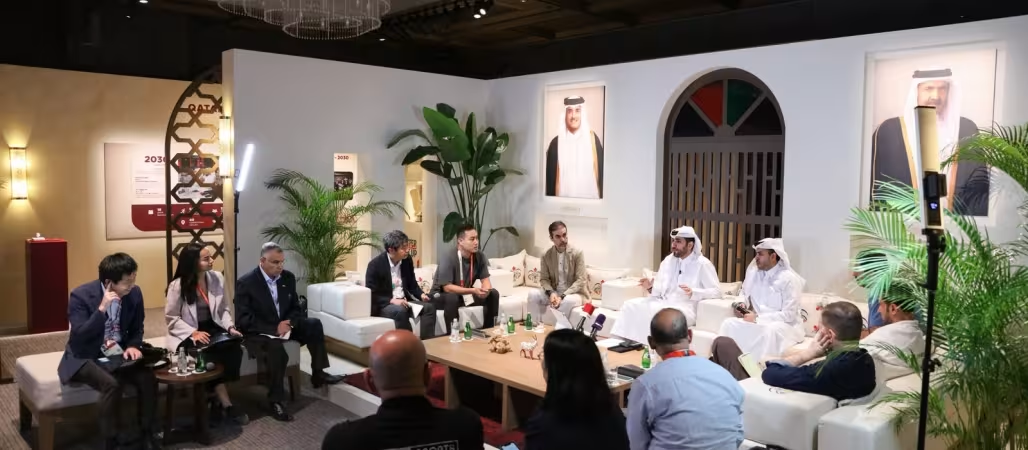
On spectator attendance, Al Buenain highlighted Qatar’s extensive experience in hosting major sporting events and attracting fans, saying preparations for the Doha 2030 spectator experience would begin well ahead of the Games.
He said the Organising Committee would work with different stakeholders and federations to introduce audiences to different sports and strengthen community engagement, with the aim of creating an atmosphere that supports athletes while delivering an enjoyable experience for spectators.
Al Buenain also stressed the importance of learning from cities and countries that have previously hosted the Asian Games and other major sporting events, describing knowledge transfer as an important part of the continued development of the Games.
He praised the use of technology and operational practices at previous Asian Games and said Doha 2030 would continue working with the OCA, sports federations and previous hosts to benefit from best practices. He added that Doha would, in turn, seek to share its experience and knowledge with future hosts.
Concluding the session, Al Buenain praised the role of the media in telling athletes’ stories and highlighting different aspects of major sporting events, noting that media feedback also contributes to improvement and development.
“You are the people who take athletes’ stories to the world and highlight the areas where we can develop and improve. We appreciate this role and look forward to working with you on the road to Doha 2030.”
Media Kit:


More NEWS
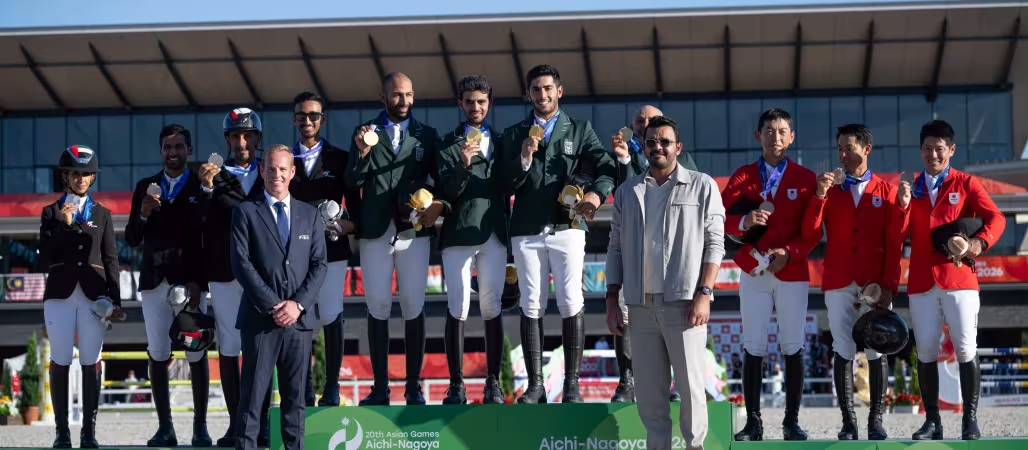
OCA President crowns Equestrian Jumping team medallists



Qatar to Face Saudi Arabia in Gulf Cup Semi-Finals After UAE Draw


Team Qatar’s Nawaf Duo Advance to Asian Games Padel Semi-Finals
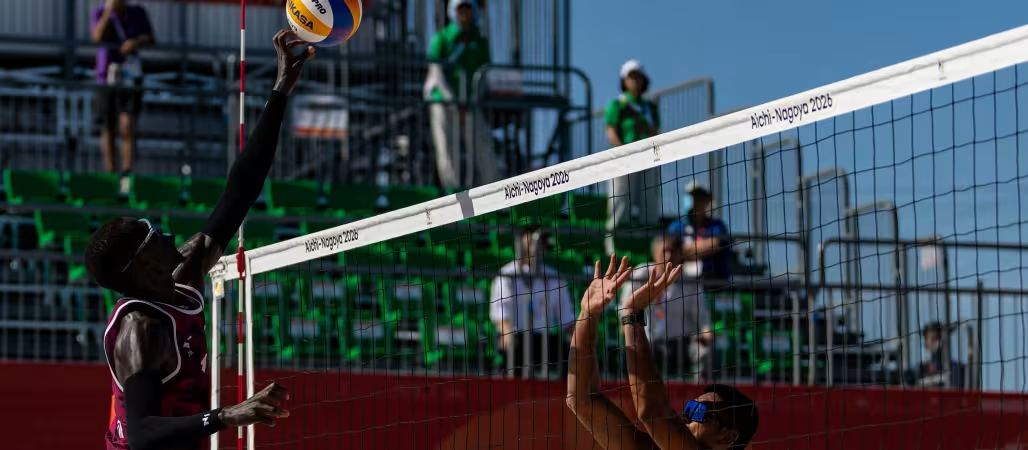

Younousse and Tijan Storm into Asian Games Beach Volleyball Final