





























06 Dec 25
Aim Beyond
Aim Beyond is an international sports-development project launched by the Qatar Olympic Committee (QOC) in December 2025 in partnership with World Athletics and the Qatar Fund for Development (QFFD). The project uses athletics infrastructure as a practical tool to expand access to sport for young people and underserved communities.

About
the Program
Overview: Aim Beyond is an international sports-development project launched by the Qatar Olympic Committee (QOC) in December 2025 in partnership with World Athletics and the Qatar Fund for Development (QFFD). The project uses athletics infrastructure as a practical tool to expand access to sport for young people and underserved communities.
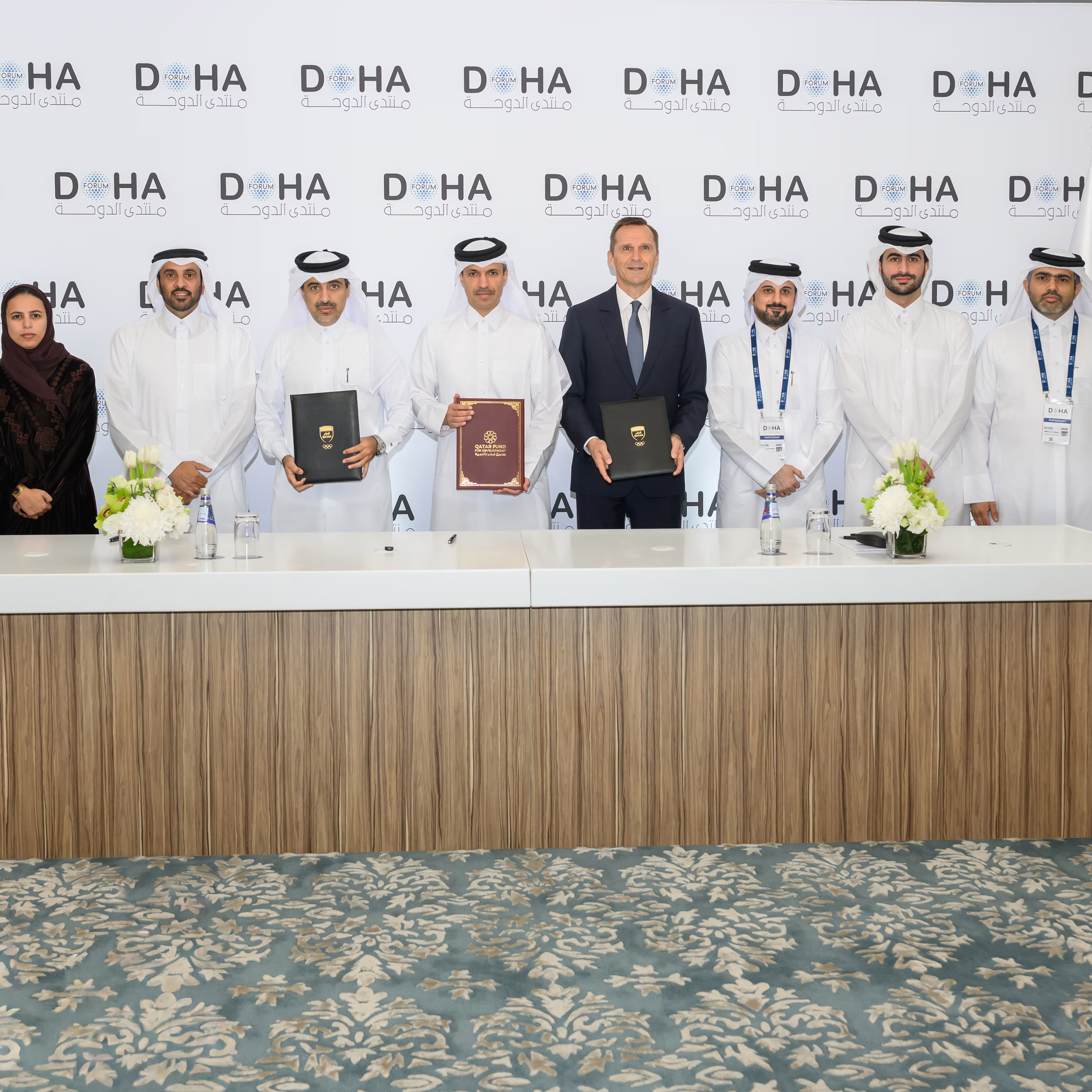
Launch and partnership: The project was announced following an agreement signed by QOC Secretary General H.E. Jassim bin Rashid Al Buenain and QFFD Director General Mr. Fahad Hamad Al-Sulaiti on the sidelines of the Doha Forum, held from 6 to 8 December 2025. The signing was attended by World Athletics Chief Executive Officer Jon Ridgeon.
Geographic scope: Aim Beyond provides for the construction of 11 modern running tracks in 11 countries: Palestine, Tajikistan, Kyrgyzstan, Moldova, the Cook Islands, Panama, Anguilla, Dominica, Burundi, Tanzania and Ukraine. The locations reflect the project’s focus on communities where sporting talent and interest exist but access to suitable facilities remains limited.
Infrastructure standards: The planned tracks are designed to be inclusive, environmentally responsible and accessible to athletes with disabilities. QOC states that eco-friendly materials will be used. Each track is intended to operate not only as a training facility, but also as a community hub supporting participation, belonging and sporting development.
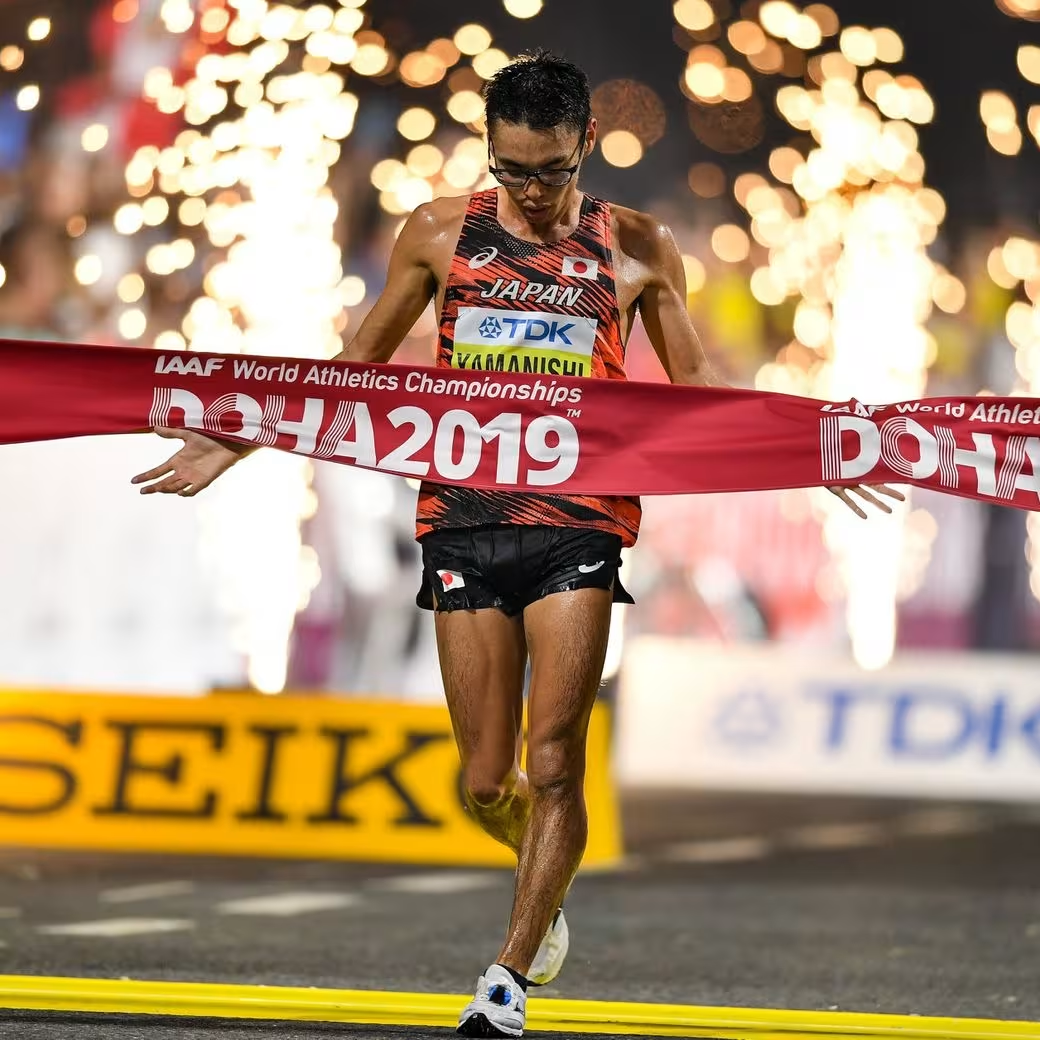
Purpose and legacy: The project extends the legacy of the Doha 2019 World Athletics Championships beyond the hosting of a major event. It converts that legacy into permanent infrastructure and development opportunities in other countries. Its stated objectives include youth empowerment, talent development, social cohesion, sustainable development and wider access to athletics.
Institutional roles: QOC leads the sporting and legacy dimension of the project; QFFD contributes its international development mandate and experience; and World Athletics provides the global athletics framework and technical partnership. The project therefore combines sport governance, development funding and international federation expertise.
Expected impact: The direct output is the creation of 11 athletics facilities. The intended long-term impact is broader: enabling young people to train in safe and appropriate environments, supporting local coaches and communities, creating pathways for emerging athletes and demonstrating how major-event legacy can produce measurable international social value.
HIGHLIGHTS