


News details Media center



5 Nov’ 2026
QOC Hosts Seminar to Promote Sustainability and Lasting Legacy in Sporting Events
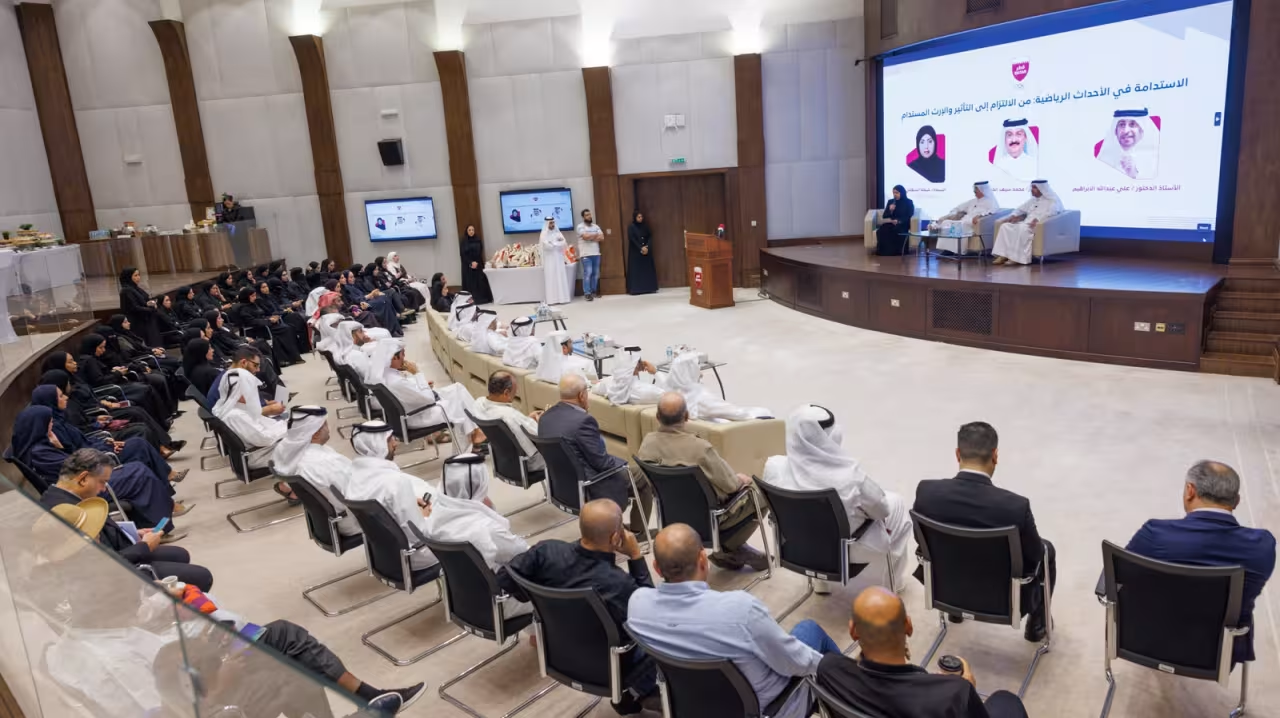
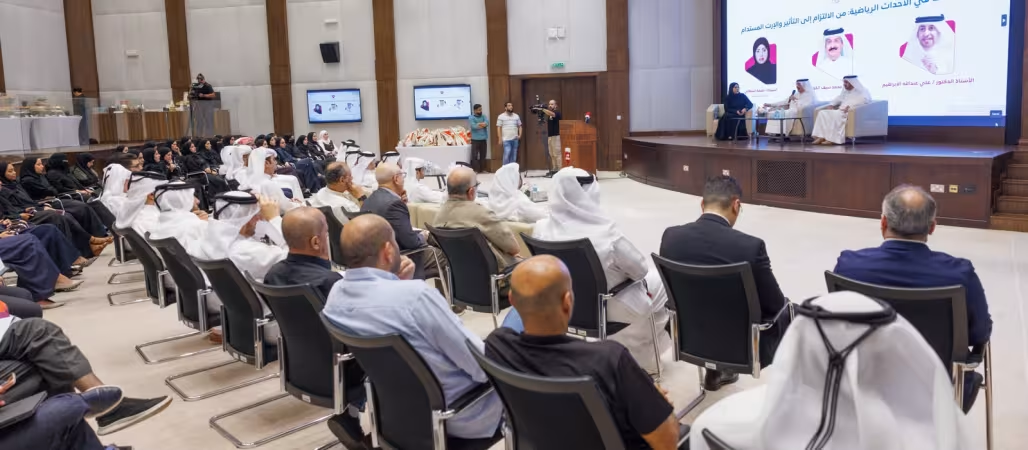
DOHA - As part of its ongoing efforts to develop human resources, foster a culture of sustainability and raise awareness of its importance in the sports sector, the Qatar Olympic Committee (QOC), represented by its Human Resources and Administrative Affairs Department, in collaboration with the Strategy and Sustainability Department, organized a panel discussion today, Thursday, at its headquarters to mark Sustainability Week.
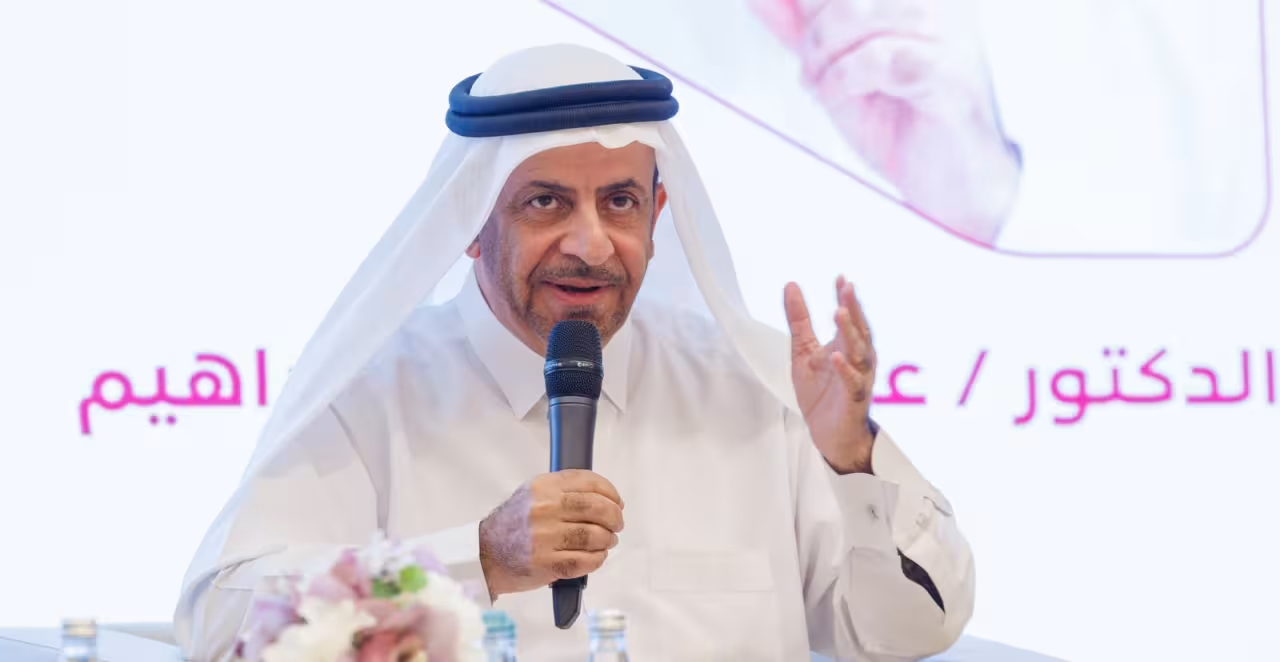
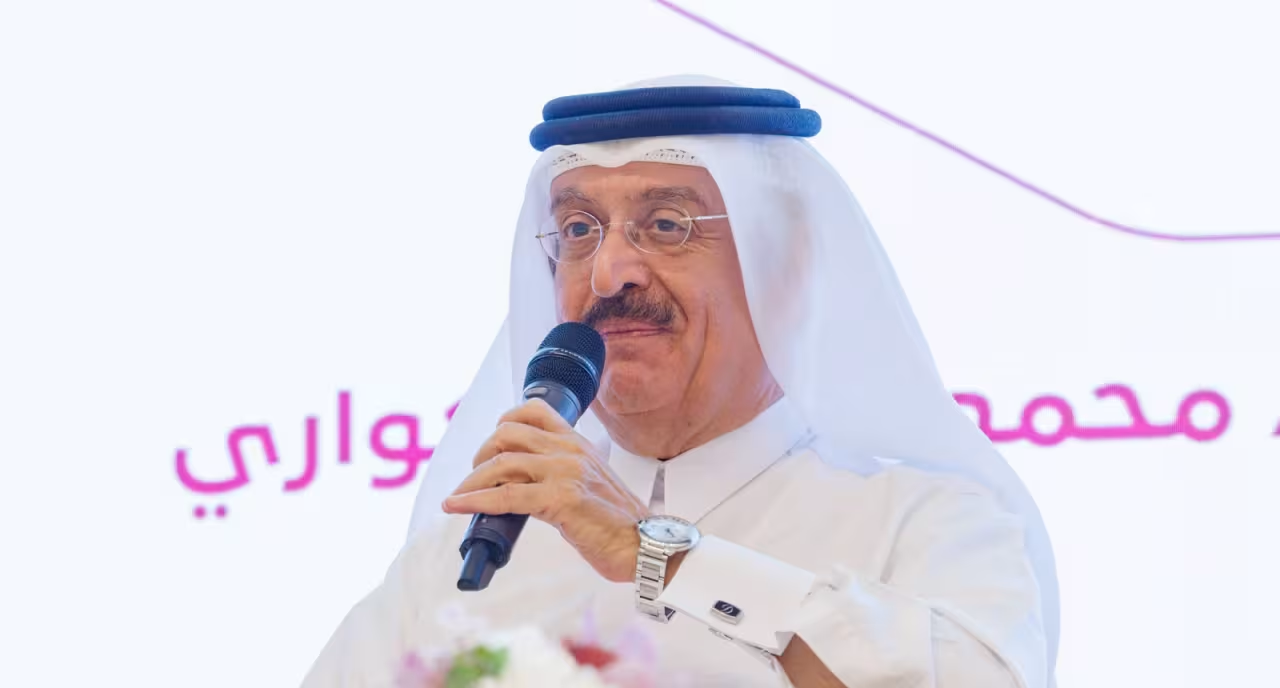
The discussion brought together two leading experts in sustainability: Professor Dr Ali Abdullah Al Ibrahim, Vice Chairman of the Regional Network for Social Responsibility and an expert in sustainable development, and Dr Mohammed Saif Al Kuwari, an expert in environmental and sustainability affairs and a researcher in Earth and climate sciences. The two speakers offered valuable knowledge and in-depth insights, adding depth to the discussions on sustainability, social responsibility and the role of sport in advancing the Sustainable Development Goals (SDGs).
Prof. Dr. Ali Abdullah Al Ibrahim opened the seminar by discussing the strong connection between social responsibility, sustainability and legacy. He highlighted the three main pillars of sustainability: protecting the environment and conserving resources, ensuring economic efficiency and continuity, and promoting health, equality and social responsibility. He also explained how these principles align with Qatar National Vision 2030 and the Sustainable Development Goals.
Likewise, Dr. Mohammed Saif Al Kuwari addressed the role of governance and social responsibility in sustainable sport, explaining how sustainability principles can be incorporated into the planning, organization, delivery and evaluation of sporting events. He also highlighted the need to conserve energy and water, reduce waste and transport-related carbon emissions, use sustainable materials, limit single-use plastics, and promote environmentally friendly practices in sports venues and facilities.
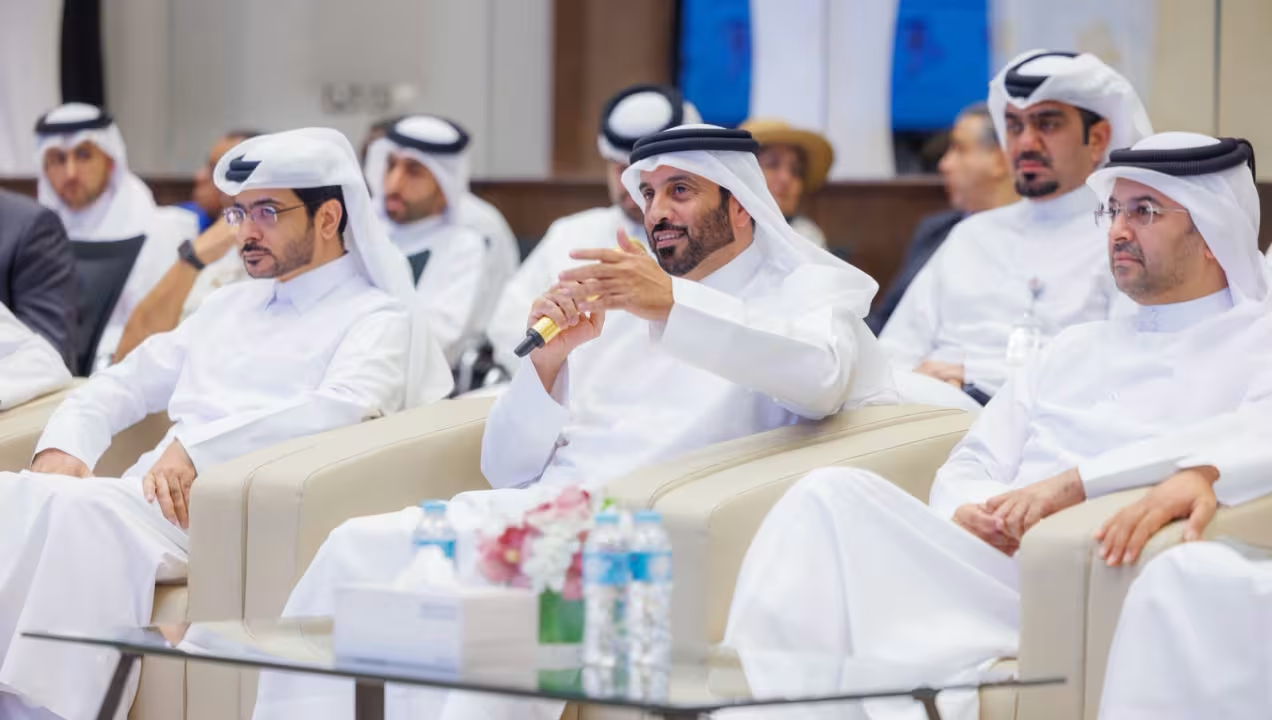
The panel was attended by a distinguished gathering of QOC leaders, officials and staff members representing various sectors and departments. This strong attendance reflected the Committee’s institutional commitment to sustainability and provided an opportunity to explore best practices and challenges related to implementing sustainability in sporting events.
A video was screened during the panel discussion, featuring highlights from the Doha Diamond League, organised by the Qatar Athletics Federation, which is regarded as an outstanding model in applying sustainability standards in global sporting events, as recognised by World Athletics. The event achieved a 95% compliance rate with sustainability standards, thanks to a comprehensive plan built on effective planning and close cooperation with partners.
The sustainability review of the 2026 Doha edition assessed 55 criteria across six sustainability pillars. According to the report, the event achieved several notable results: 88% of waste was diverted from landfill, paper consumption was reduced, electric and low-emission vehicles accounted for 90% of the fleet, and 93% of suppliers were assessed against sustainability criteria. Looking ahead, the Federation aims to further develop carbon footprint measurement and improve energy and water efficiency in future editions, under the slogan: “Better Sport... Lasting Impact.”
On the sidelines of the panel discussion, Ms. Maryam Al Kuwari, Director of the Human Resources and Administrative Affairs Department, said: “Sustainability Week provides an opportunity to turn concepts from theory into everyday practices in the workplace. We believe that employees are key partners in this journey and that equipping them with the necessary knowledge and practical experience enables them to make an effective contribution to improving the QOC’s institutional performance.”
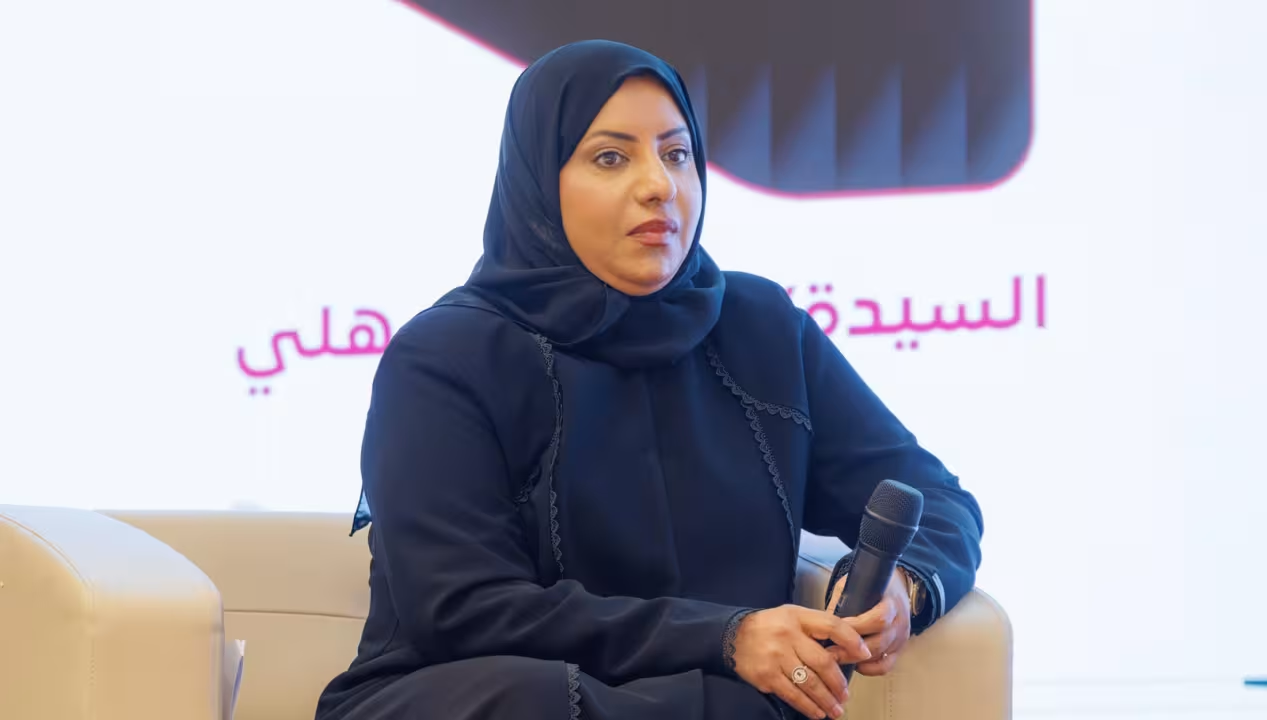
For her part, Ms. Sheikha Al Sahli, Head of the Sustainability Unit, said: ”Sustainability and sports legacy are central pillars of the Qatar Olympic Committee's 2023–2030 Strategy, which aims to establish a sustainable sports system with a lasting impact. In this regard, the QOC seeks to ensure that its sports facilities and events comply with sustainability standards, integrate the United Nations Sustainable Development Goals into its operations and institutional practices, strengthen local and international partnerships in sports legacy, and contribute to providing suitable sports infrastructure and facilities that serve sports federations
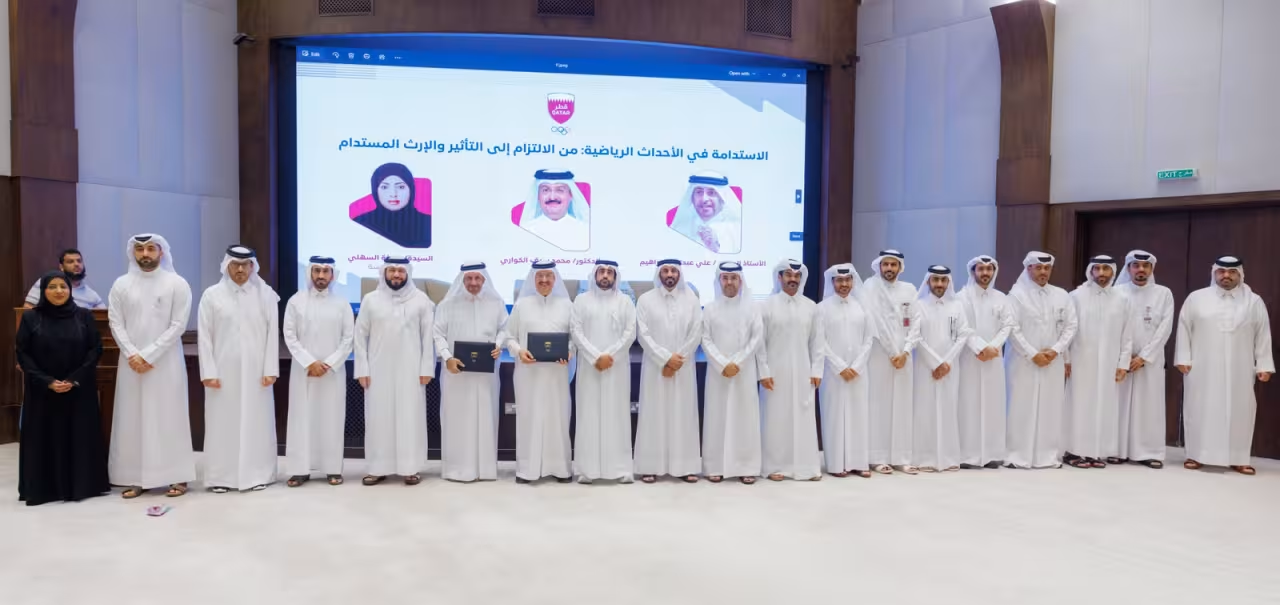
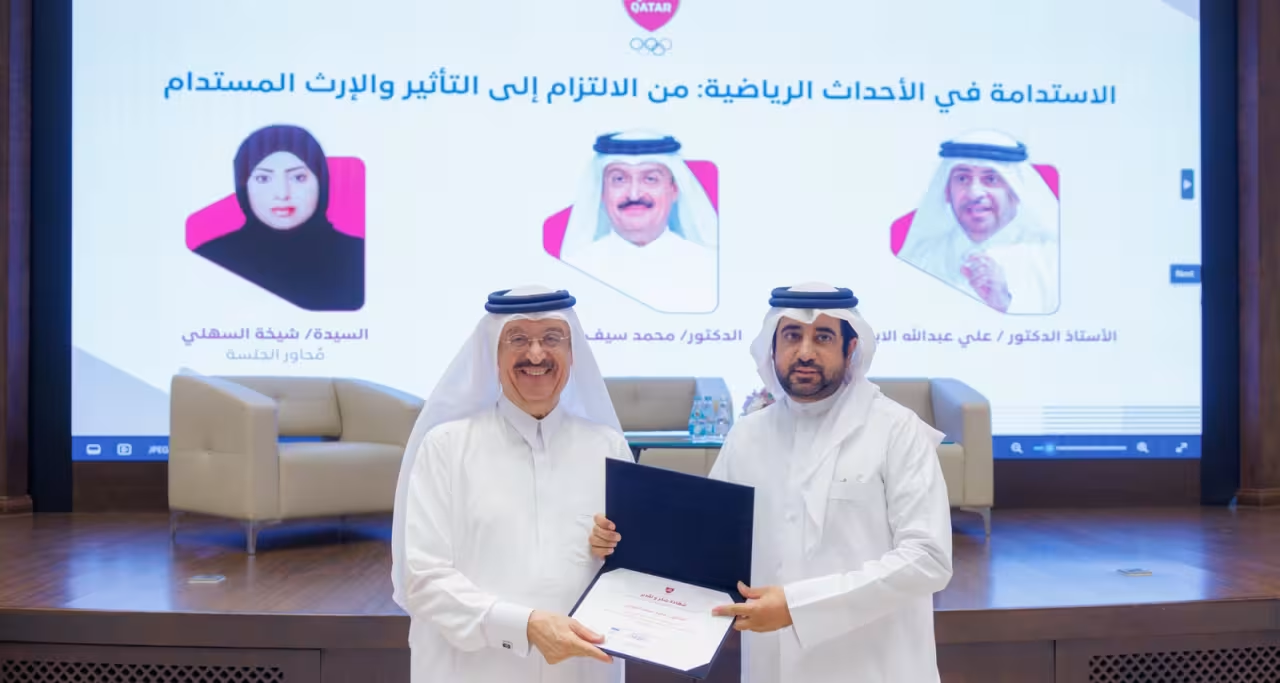
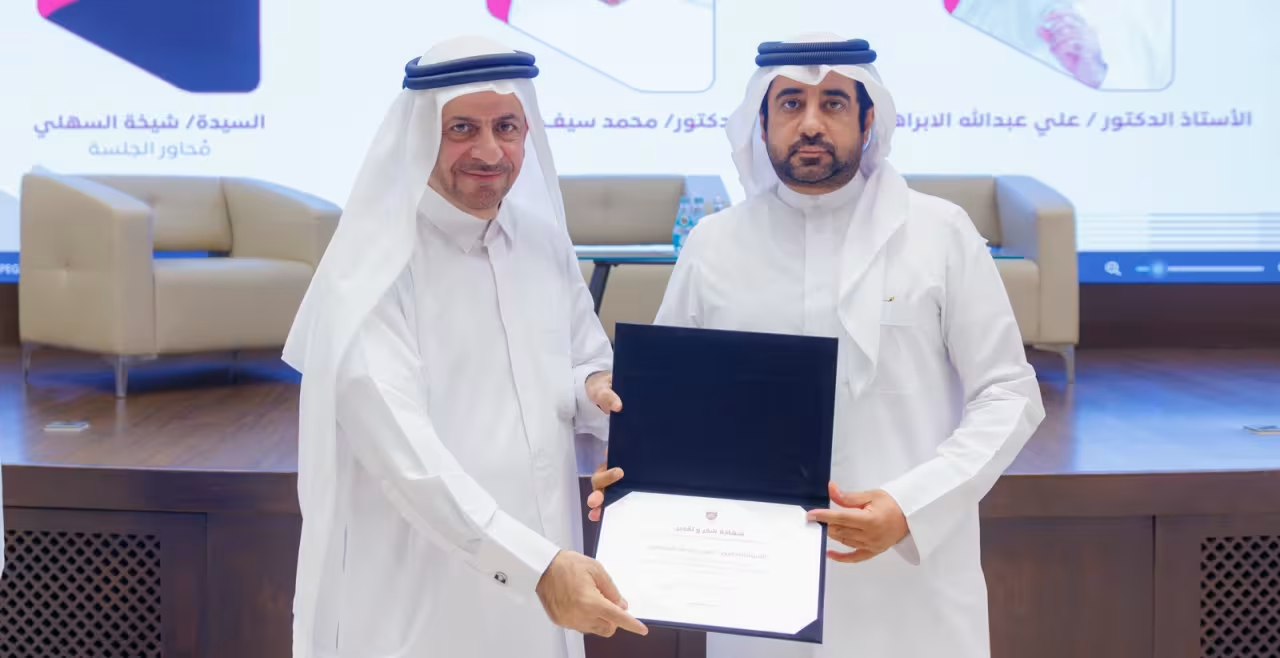
The panel concluded with Mr. Hamad Lahdan Al Mohannadi, Director of the Support Services Sector at the Qatar Olympic Committee, honoring the speakers with certificates of appreciation in recognition of their valuable academic contributions, in-depth knowledge and efforts to enrich discussions, encourage knowledge sharing and promote awareness of sustainability and legacy among QOC officials and staff.
Media Kit:


More NEWS

Team Qatar Claim Silver and Bronze Medals at Asian U23 Fencing Championships


Doha 2026 Shooting World Championships Open in Style

Qatar's Rokaia El Baz Wins Gold at Hungary Youth Contender
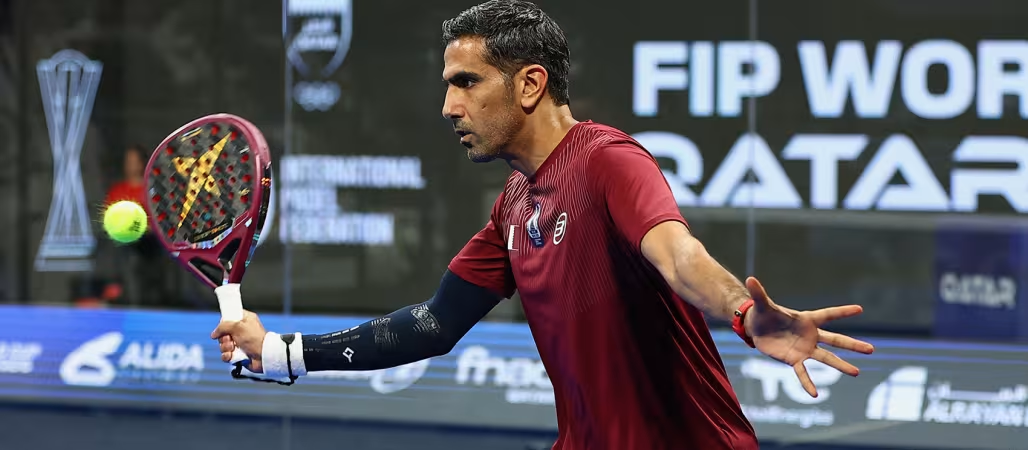

FIP World Cup Qatar 2026 gets underway